
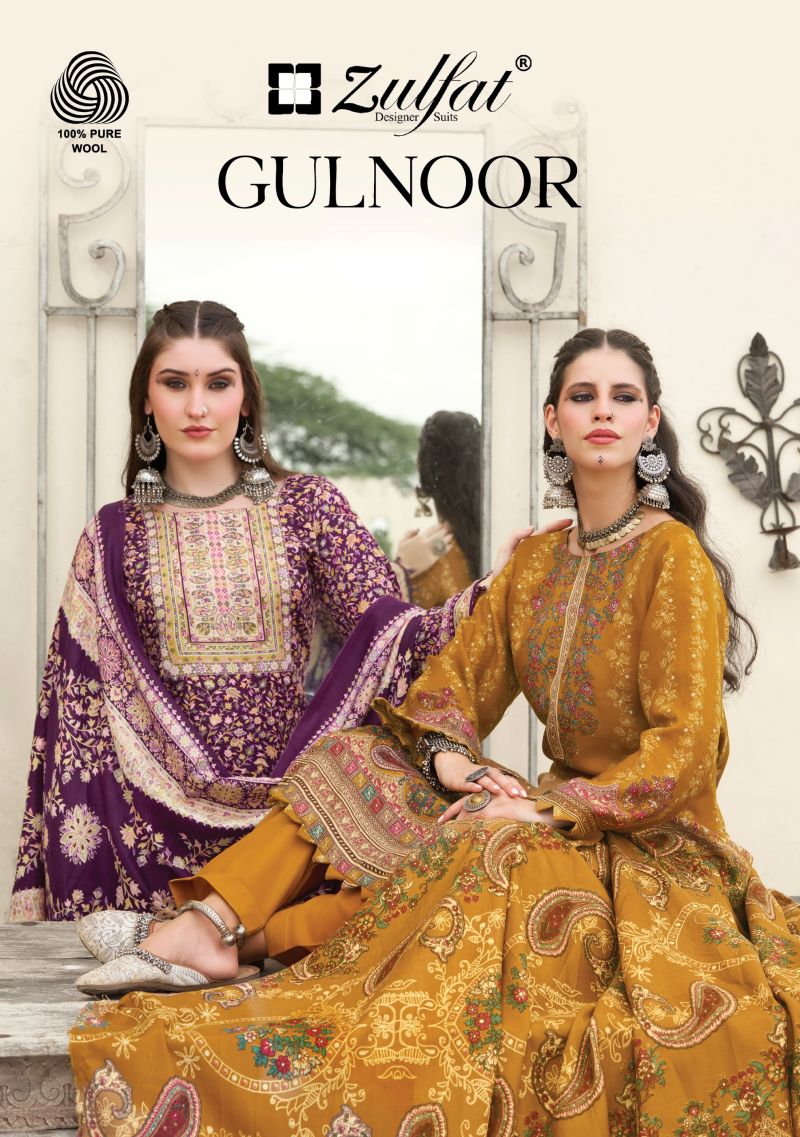
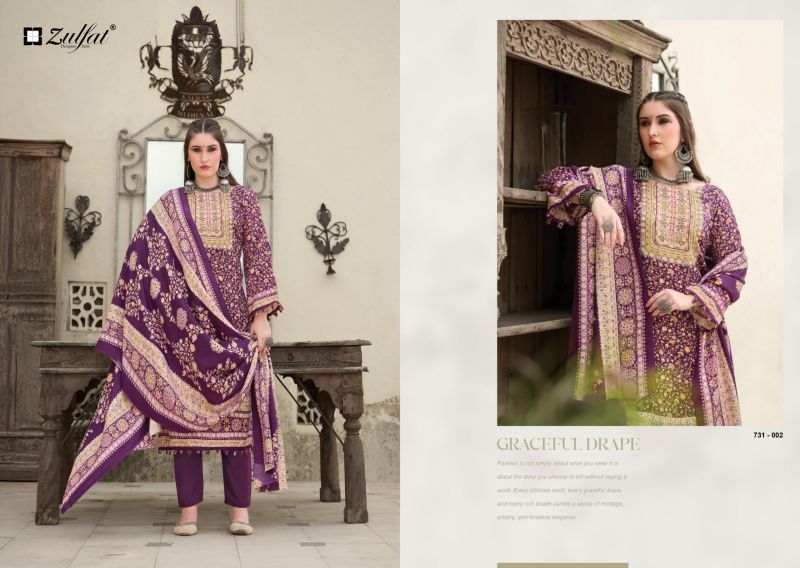
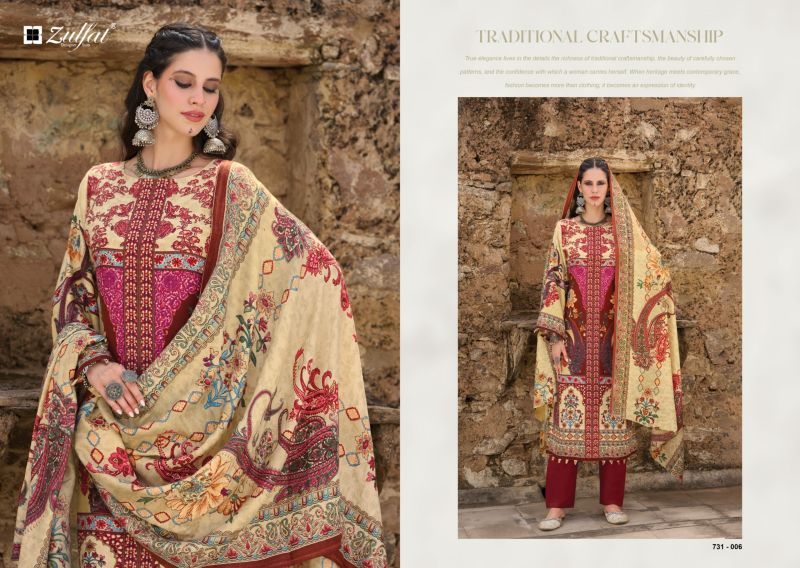
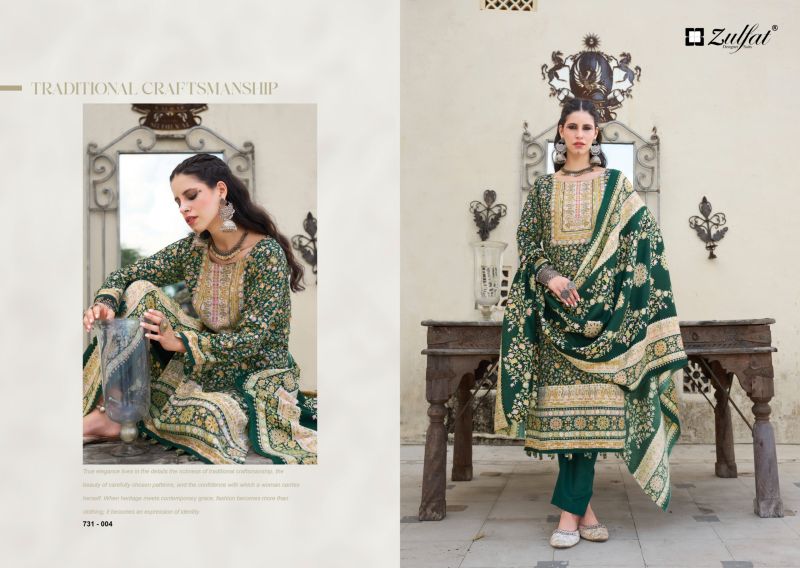
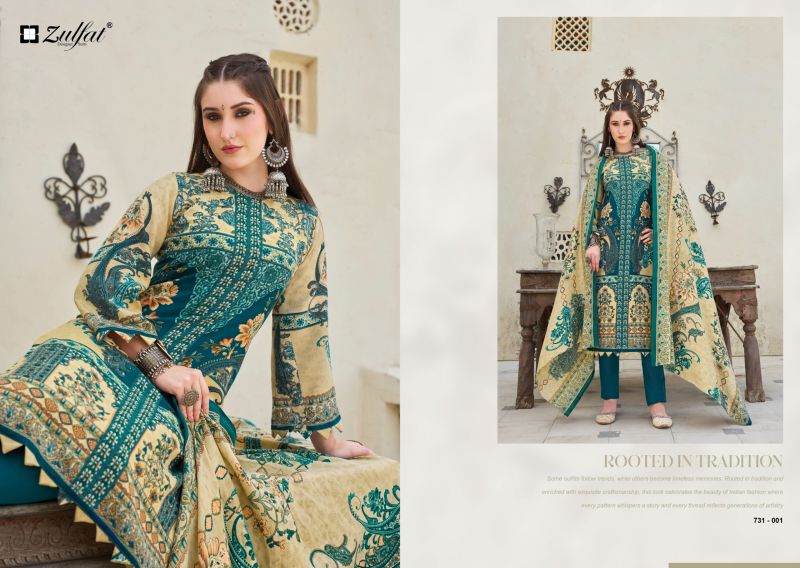

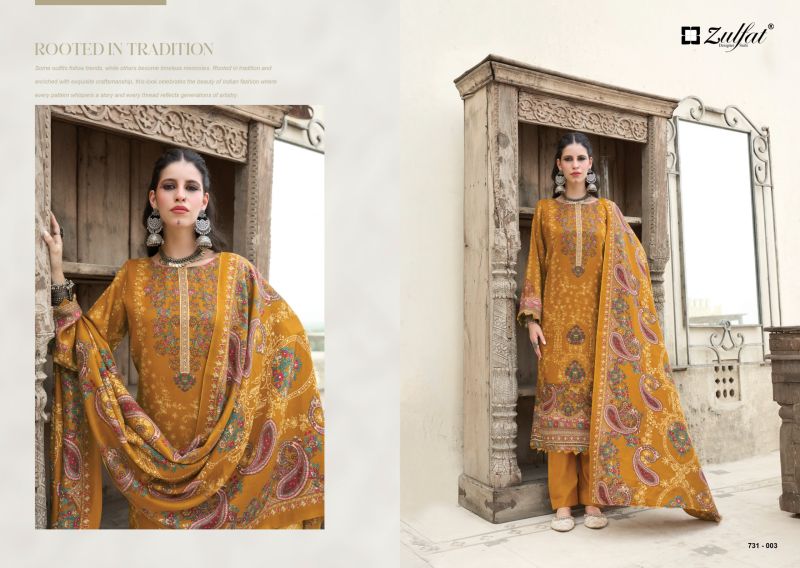
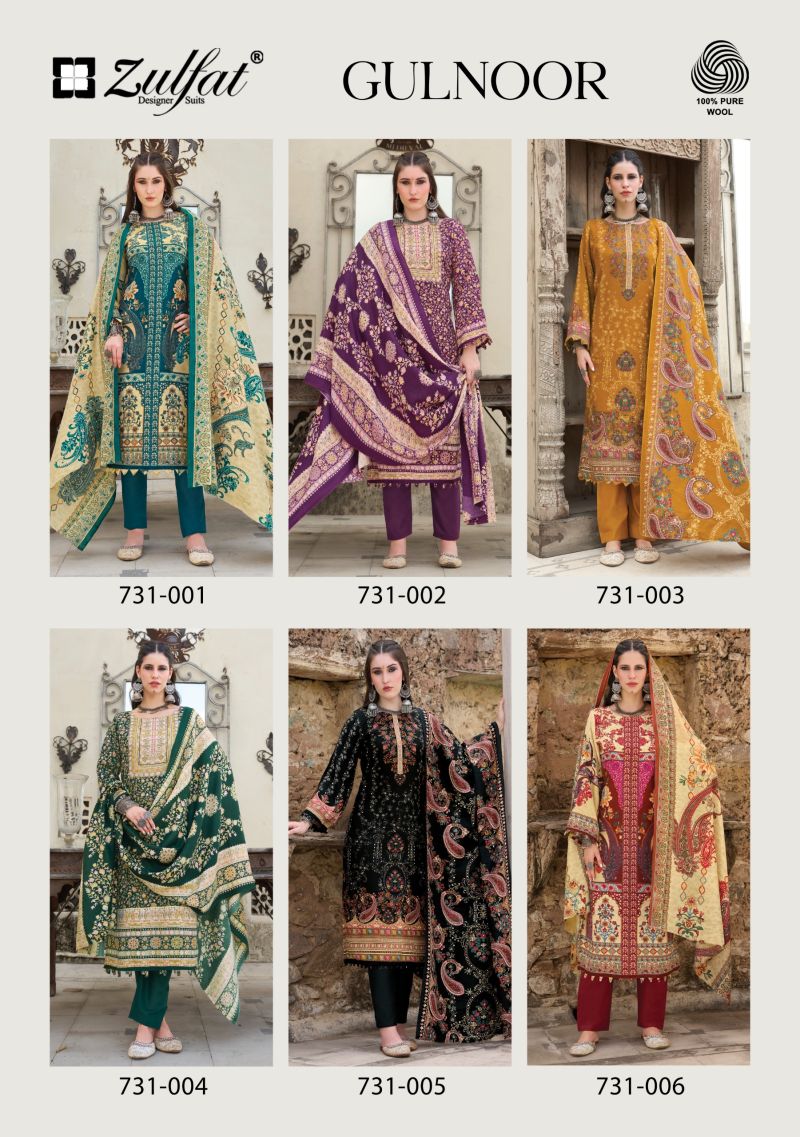
| Catalog Name | Zulfat Gulnoor Pure Woollen Pashmina Dress Material |
| Catalog No | 20240 |
| Per Piece Price | ₹ 565.00 + 5 % GST |
| Full Catalog Price | ₹ 3,390.00 |
| Total Design | 6 |
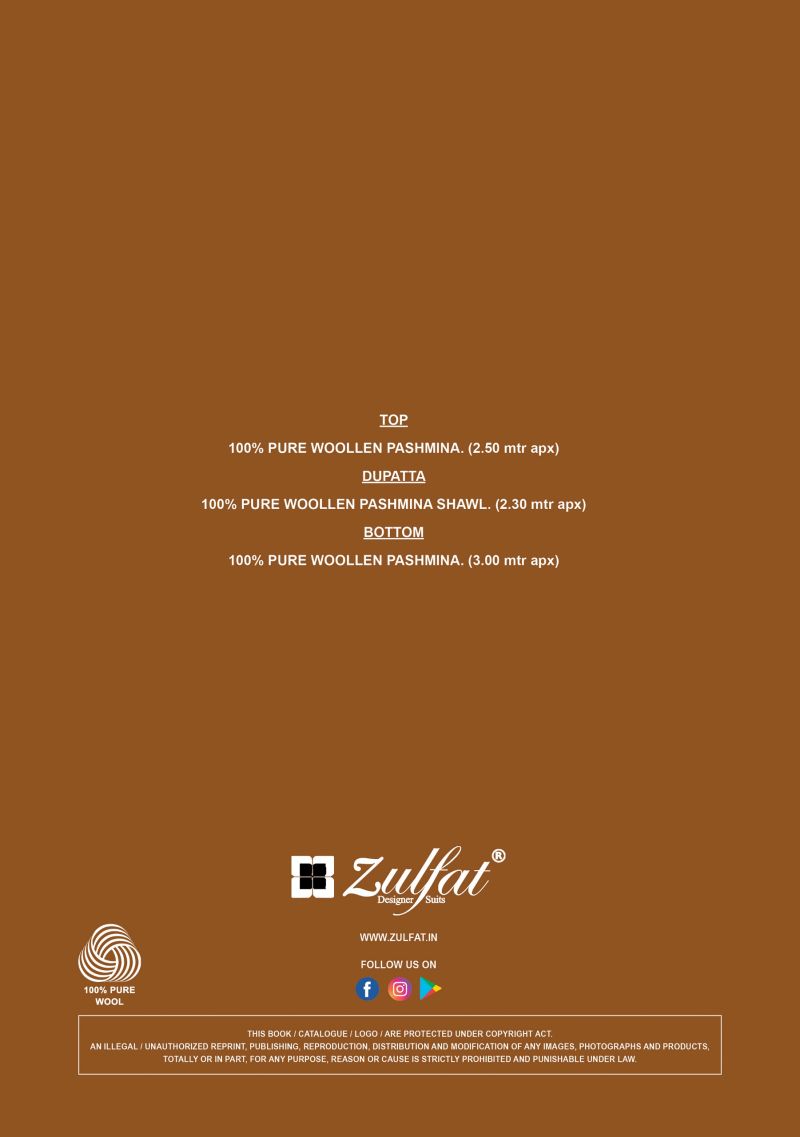
| Fabric | Pashmina |
| Weight | 6 Kg |
| Fabric Description | Top/Bottom :- Pure Woollen Pashmina Printed | Botton :- Pure Wollen Pashmina Shawl |
₹ 0.00 X 6
₹ 400.00 X 6
₹ 500.00 X 6
 Estimated Delivery : ( 6-8 working days )
The Zulfat Gulnoor Pure Woollen Pashmina Dress Material is a fabric-based product for buyers who want to develop ethnic outfits around a specific material category rather than select a finished garment. For fabric traders, boutique owners, dress designers, and wholesale fashion businesses, this product can be evaluated as part of a fabric-to-finished-outfit business model. The keyword Pure Woollen Pashmina Dress Material also addresses a specific product search, making accurate specifications and clear commercial information important parts of the buying decision.
A dress material purchase is only one component of the finished garment's total cost. For a boutique or clothing reseller, the final calculation may also include tailoring, lining where required, finishing, packaging, and other production expenses.
Before fixing a selling price, buyers should calculate the total cost of producing the intended outfit and compare it with their planned retail price. This makes it easier to determine whether the material fits the business's intended price segment.
For Zulfat Gulnoor, the actual fabric price and included components should be confirmed before the calculation begins. A clear cost sheet helps prevent pricing decisions based on assumptions.
Unstitched material offers flexibility, but that flexibility can also create inconsistency if the customer and tailor have different expectations.
A useful design brief should specify the intended garment length, sleeve preference, neckline, overall fit, finishing style, and any additional components required. The tailor should also confirm whether the available material is sufficient for the chosen design and size.
This process turns a fabric purchase into a more organized garment-development task. It is especially useful for boutiques that create made-to-measure outfits for individual customers.
Once tailoring begins, the cutting stage can determine how efficiently the available material is used. Measurements, pattern pieces, seam allowances, and the chosen design can all influence fabric consumption.
Buyers should ask the tailor to review the cutting layout before making irreversible cuts. If the intended outfit includes multiple panels or additional design elements, the material requirement should be assessed before production starts.
No exact outfit yield should be assumed for Zulfat Gulnoor without confirming the fabric dimensions and the intended garment specifications.
For fashion businesses, dress material can serve a purpose beyond direct fabric resale. It can form part of a boutique's made-to-measure service, where the buyer selects the material and then develops a garment around an agreed design.
This model allows the business to offer a more personalized customer experience without presenting the fabric itself as a ready-made suit. Zulfat Gulnoor can be considered for such a workflow if its confirmed composition, dimensions, and construction suitability meet the intended design requirements.
A useful specification sheet reduces confusion between the supplier, buyer, tailor, and final customer.
For this product, the buyer should record the exact commercial name, confirmed fiber composition, fabric dimensions, included pieces, design reference, care instructions, available quantity, and agreed price. Any additional claims about origin, fiber percentage, or manufacturing technique should be recorded only when supported by supplier documentation.
Maintaining this information alongside product images helps businesses manage repeat orders and compare similar materials more reliably.
Not every dress material needs to target the same buyer. A fabric reseller may focus on customers who prefer selecting their own outfit material, whereas a boutique may buy it for a specific made-to-measure service.
Before sourcing Zulfat Gulnoor, businesses can identify which customer group they intend to serve and what information those customers require before purchasing. This helps the seller create a more relevant product listing and decide which details deserve priority.
The positioning should be based on verified material characteristics rather than unconfirmed assumptions about softness, warmth, or performance.
The Zulfat Gulnoor Pure Woollen Pashmina Dress Material offers a fabric-focused option for businesses developing unstitched ethnicwear, made-to-measure services, or fabric retail assortments. For buyers searching for Pure Woollen Pashmina Dress Material, the most useful approach is to evaluate verified composition, usable dimensions, production requirements, and total outfit cost before purchasing. Explore Zulfat Gulnoor through FashionExport.in for wholesale fashion sourcing and commercial dress-material inquiries.
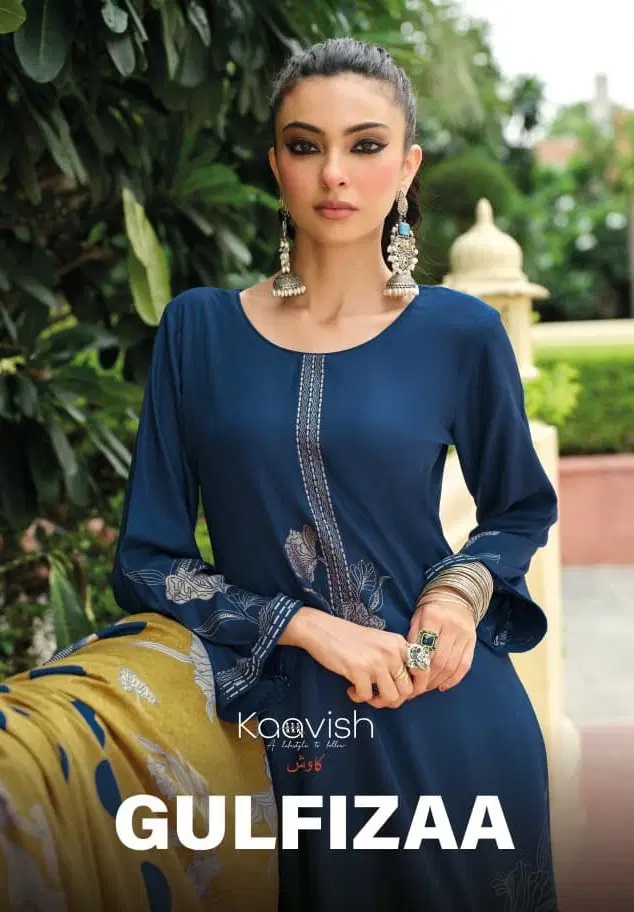
| Avg Price | ₹ 1,299.00 |
| Total Design | 4 |
|
View Catalog
|
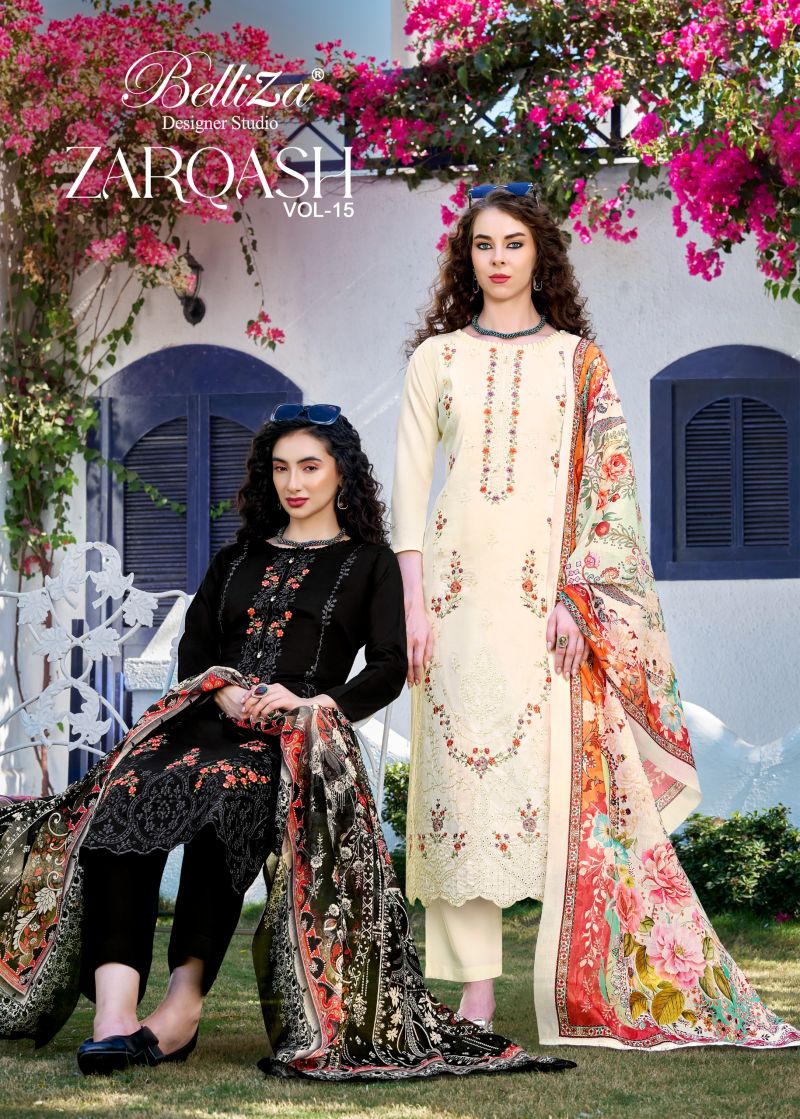
| Avg Price | ₹ 795.00 |
| Total Design | 6 |
|
View Catalog
|
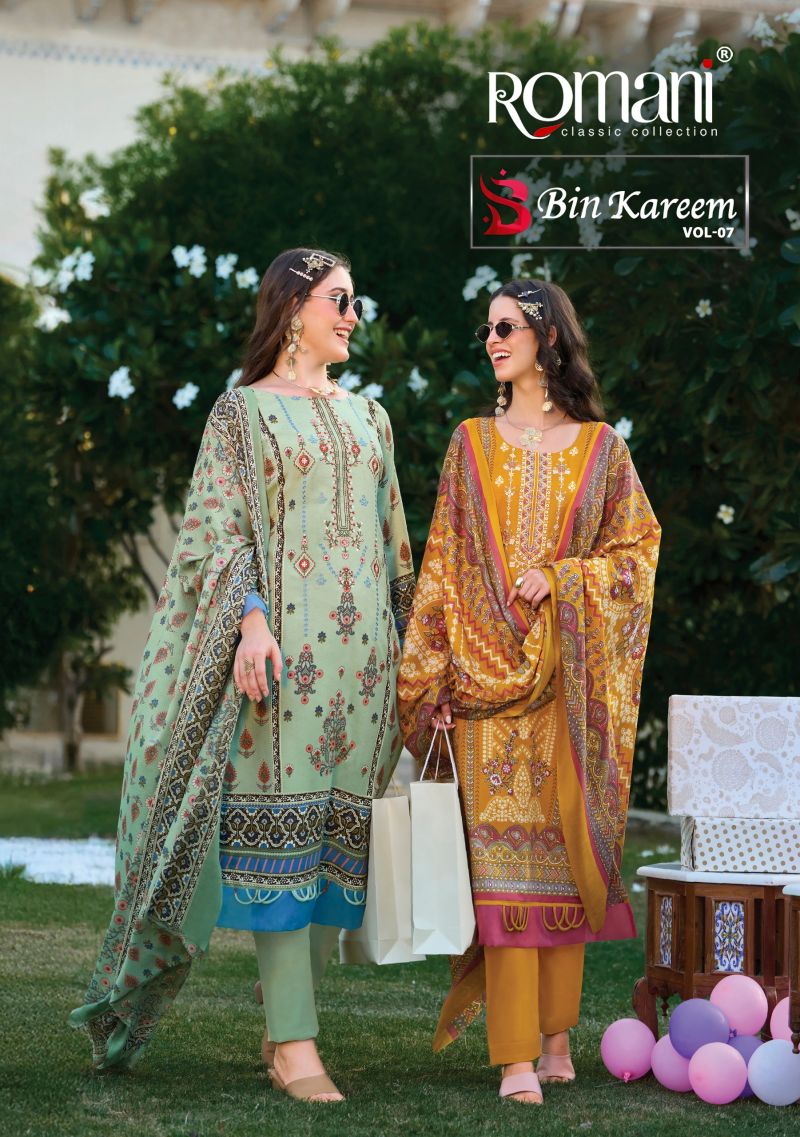
| Avg Price | ₹ 381.00 |
| Total Design | 8 |
|
View Catalog
|
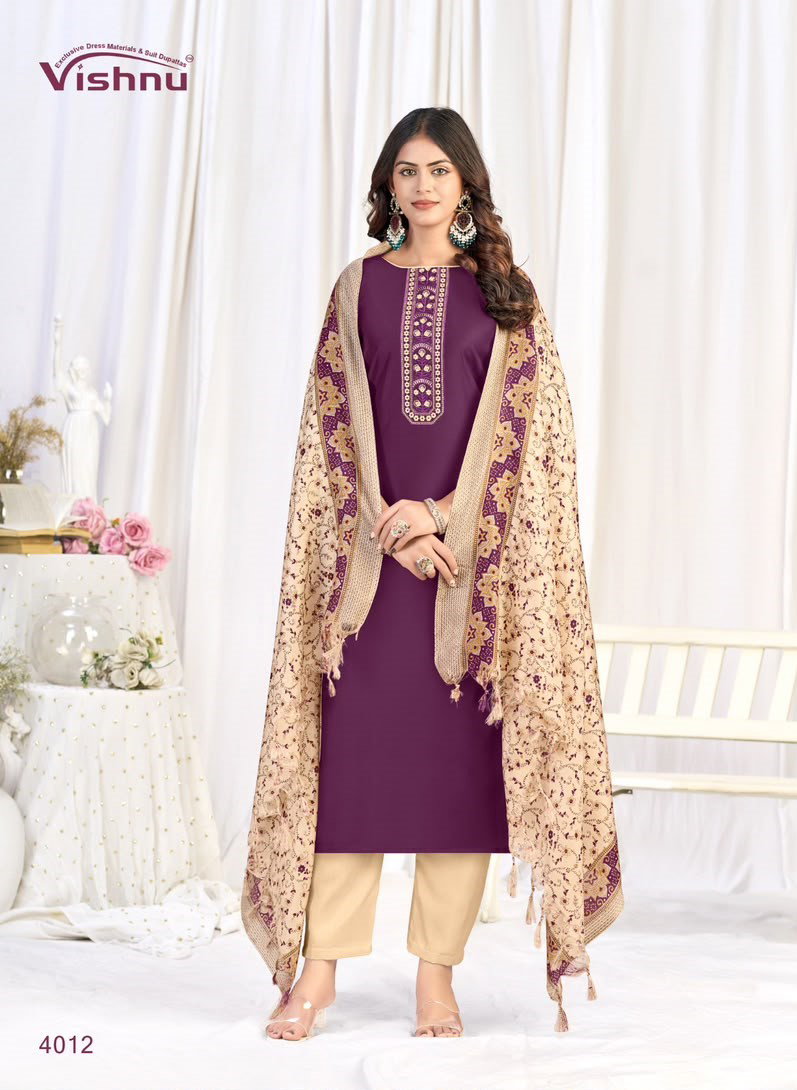
| Avg Price | ₹ 495.00 |
| Total Design | 12 |
|
View Catalog
|
| Avg Price | ₹ 425.00 |
| Total Design | 24 |
|
View Catalog
|

Goods all receiving with good condition & fast delivery. Highly recommended
Sarawanan - malaysia
Nice collection with very good quality
Deepakshi Bhardwaj - United States
I am very satisfied with your service you delivered me on time and fabric quality is also very good
Urvish - Australia
Superb in service and first time i purchased through fashion export without trust BUT after received my parcel 100/100% i trusted becasue their service support and attempting calls was excellent , quality of material also 100% perfect
kiran chellapilla - India
I recently purchased a saree from Fashion Export and I must say, I’m extremely impressed with both the product and the service. The saree was exactly as shown in the pictures—elegant, well-crafted, and of excellent quality. The fabric felt luxurious, and the design was intricate and beautifully done.
Ananthy Kartikar - malaysia